Moving in or out of Cherokee Bluff School District is about more than choosing a house. It is about matching day-to-day family life, long term value and local market realities so your next move feels smart now and sensible years from now. Whether you are searching for homes for sale in Cherokee Bluff, getting ready to sell, or simply watching the market, these practical, evergreen strategies will help you make decisions that attract buyers, protect equity and create the best fit for your family.
Start with school culture as a decision filter. Test scores and rankings matter, but so do school calendar rhythm, extracurricular offerings, parent involvement and commute patterns. Families often prioritize convenient dropoff routes, strong afterschool programs and active PTAs. Sellers who highlight these softer but meaningful details in listings and neighborhood guides can connect emotionally with buyers and justify price positioning. Buyers who research both performance and culture are more likely to stay long term, which supports neighborhood stability and resale value.
Balance proximity and lifestyle. In Cherokee Bluff School District, closeness to a preferred school can command a premium, but it is not the only factor. Consider commute time to work, access to grocery and medical services, walkability, and outdoor spaces. For some buyers, a slightly longer commute is worth a larger yard, newer home systems, or lower taxes. For sellers, knowing which tradeoffs local buyers are making right now helps you market the property more effectively: emphasize the element buyers value most in comparable sales.
Know the local market signals buyers and sellers care about. Inventory levels, recent comparable sales, days on market and interest rate trends shape price sensitivity. Right now, buyers may be more rate-aware and sellers may face tighter buyer pools if inventory rises. That means pricing accurately and presenting a move-in-ready experience can close sales faster. Sellers should consider a pre-list inspection to remove surprises and streamline offers; buyers should budget for potential rate fluctuations and include realistic timelines for school enrollments and transfers.
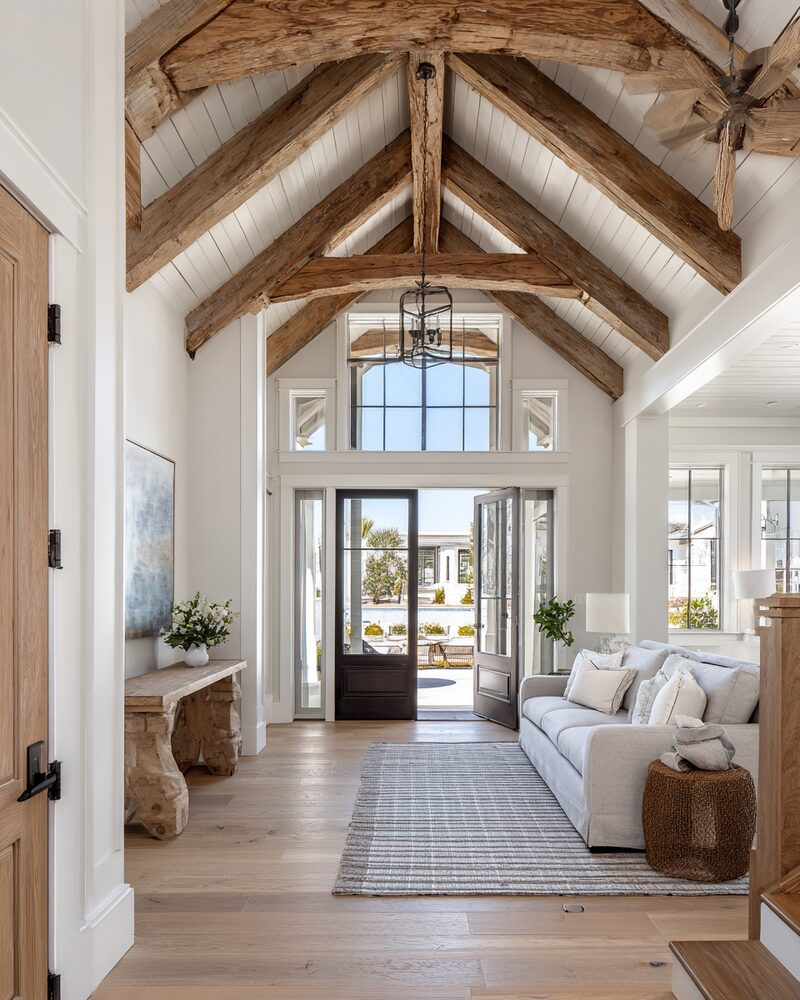
Make small, targeted improvements that speak to families and to lasting value. Fresh paint, durable flooring in entry areas, upgraded lighting, and creating a clear study zone or mudroom can influence both buyer perception and appraisal value. Avoid heavy personalization. Stage rooms so they read as usable family spaces: a homework nook, a safe play area, and attractive, low-maintenance landscaping. Document upgrades and energy-efficient features so buyers see a lower cost of ownership.
Timing matters with the school year cycle. Many families prefer to close between school terms to minimize disruption, while trade windows open during summer and at semester breaks. Sellers who align showings and closing flexibility with school calendars often attract buyers who are prepared to move quickly. Buyers should plan contingencies if a desired enrollment deadline is near. Communicate transparently about timelines to prevent last-minute stress for both sides.
Do your homework on boundaries and future development. School boundary adjustments, new subdivisions, and planned road projects can affect demand and property values. Check local school board meeting minutes, proposed zoning changes and nearby planned construction. Confirm the current school assignment for a property and ask about waitlist procedures for specialized programs. This kind of foresight protects buyers from surprises and allows sellers to position their home based on future neighborhood improvements.
Use marketing that targets local buyer priorities. Highlight school ratings, proximity to key schools, community events, park access and commute times in online listings and social posts. High-quality photos of outdoor spaces, neighborhood amenities and a clear floor plan will help your listing stand out. For
